Reviewing the Decorative Baby Baptism Shadow Box Design
As a designer who spends more time staring at stitch maps than most people care to admit, I approach every new machine embroidery design with a mix of excitement and skepticism. We have all been there: you buy a file based on a pretty thumbnail, only to find out later that the density is too high for a baby onesie or the details vanish on a textured towel. Today, I am taking a close look at the Decorative Baby Baptism Shadow Box. This isn't just a quick glance at a preview image; this is an evaluation of how this specific asset holds up when you are trying to create a tangible, high-quality handmade product for a client or your own shop.
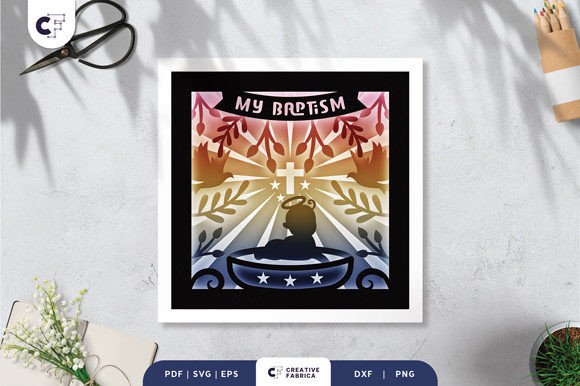
The first thing that strikes me about the Decorative Baby Baptism Shadow Box is its inherent mood. Baptism designs often walk a fine line between being overly ornate and frustratingly plain. This template, described as a layered, square paper cutting style, suggests a depth that flat vector art often lacks. In the context of 3D SVG files, we are usually talking about physical layering for papercrafts, but for us embroiderers, this translates to how we interpret depth through thread. The "shadow box" concept implies distinct zones of focus, which is excellent for managing stitch density. If executed correctly, this layout allows us to mimic that 3D effect using varied fill patterns and satin borders without turning the fabric into a stiff cardboard.
Visual Personality and Layout Analysis
When I pull up the file, the square format immediately tells me where this embroidery project belongs. Square compositions are versatile, but they demand respect regarding placement. The layout feels structured, likely featuring a central motif surrounded by decorative framing elements. For a Baptism theme, this structure provides a sense of ceremony and importance. It doesn't scream; it whispers elegance. This visual personality makes it a strong contender for items where the design needs to be the hero, such as a commemorative pillow cover or a framed textile piece for a nursery.
The level of detail in these types of templates can be a double-edged sword. In a paper cutting template, intricate bridges hold the layers together. In embroidery, those bridges become tie-offs and jump stitches. My initial assessment is that this design relies heavily on clean lines and defined shapes. If the original file includes fine lettering or tiny decorative accents, you will need to be very mindful of your thread choice. A variegated thread might look beautiful in a photo, but it could muddy the crisp lines required for a professional-looking finished product.
Real-World Application: The Custom Gift Scenario
Let's move from theory to practice. Imagine a customer comes to your craft business asking for a special gift for a godparent. They want something better than a store-bought card but not as permanent as a heavy blanket. This is where the Decorative Baby Baptism Shadow Box shines. I would immediately picture this stitched onto a high-quality linen tote bag or a structured canvas apron.
For a tote bag design, the square shape fits perfectly on the front panel. The "shadow box" aesthetic allows you to use a contrasting fabric background behind the stitching if you are doing an appliqué method, or simply rely on dense fill stitches to create the illusion of depth. If I were producing this for an Etsy seller looking to expand their holiday inventory, I would suggest using this on a set of kitchen tea towels. The square format centers beautifully on a towel, and the baptismal theme aligns perfectly with spring and early summer gifting seasons.
However, we must consider the fabric. If you are attempting this as sweatshirt embroidery, the texture of the fleece can swallow small details. The Decorative Baby Baptism Shadow Box likely has defined edges that need to pop. On a loopback fleece, you might need to increase the pull compensation or switch to a thicker thread weight to ensure the design doesn't get lost in the nap of the fabric. Conversely, on a smooth pique polo or a tight-weave cotton, this design would likely render with exceptional clarity, making it a premium option for boutique branding.
Technical Considerations for Stitching Success
Before you hit start on your machine, there are several technical hurdles to clear. Since the source material mentions this is a layered template available in SVG and P formats, it is crucial to verify if you are working with a pre-digitized embroidery file or a vector graphic that needs digitizing. If it is the latter, do not assume the auto-digitize function in your software will capture the nuance of a "shadow box." You will need to manually assign satin stitch borders for definition and carefully map out fill stitch directions to create that layered look.
If you are working with a pre-made embroidery file, check the stitch count and density immediately. Baptism gifts are often kept as heirlooms, meaning they shouldn't fall apart after one wash. High-density areas can cause puckering, especially on stretchy fabrics like baby bodysuits. For baby embroidery, I always recommend testing on scrap fabric first. Use a cut-away stabilizer rather than tear-away for this type of detailed design to provide long-term support. The structural integrity of the "box" shape depends on the fabric staying flat.
Color selection is another make-or-break factor. While traditional baptism colors lean toward white, cream, and soft gold, don't be afraid to modernize it. A navy blue thread on a heather grey sweatshirt can look incredibly chic and gender-neutral. However, ensure your thread colors have enough contrast. If the design relies on subtle shading to create the 3D effect, low-contrast threads will flatten the image. Test your design in a black-and-white mockup first; if you can't distinguish the layers in grayscale, your customers won't see them in thread either.
Commercial Viability and Brand Consistency
For small shop product creators, consistency is key. The Decorative Baby Baptism Shadow Box offers a recognizable silhouette that can become part of your brand's signature style. If you sell personalized gifts, using a consistent frame or border style across different events (baptisms, first communions, dedications) helps buyers instantly recognize your work. This design asset supports that kind of branding because the square, layered look is distinctive.
When listing this as a digital embroidery file or selling the stitched item, transparency about the file capabilities is essential. Since the description notes formats like SVG and P, clarify to your buyers whether this is for cutting machines or embroidery machines. Misunderstandings here lead to refunds and bad reviews. If you are selling the physical custom apparel, highlight the "3D" aspect in your marketing photos. Take close-up shots that show the texture of the stitches, proving that the shadow box effect translates from screen to fabric.
Final Verdict and Designer Notes
In my professional opinion, the Decorative Baby Baptism Shadow Box is a robust choice for designers who understand how to manage density and fabric interaction. It is not a "set it and forget it" design for difficult surfaces like caps or highly textured minky blankets without adjustments. However, for flat or semi-structured surfaces like tote bags, pillow covers, and wall hangings, it offers a sophisticated look that elevates a simple gift into an heirloom.
My advice before committing to a production run:
- Verify the License: Always confirm if the file allows for commercial use of the finished product or if it is for personal use only.
- Check Hoop Size: Ensure the square dimensions fit comfortably within your available hoop sizes without needing excessive re-hooping, which can ruin alignment.
- Test on Dark Fabric: If you plan to offer this on dark garments, ensure the underlay is sufficient to prevent the fabric color from bleeding through the lighter thread colors.
- Inspect Tiny Details: Zoom in on the digital file. If there are running stitches that are too short or satin columns that are too wide, edit them before stitching.
Ultimately, this design has the potential to be a staple in your holiday embroidery or year-round baptism collection. It respects the solemnity of the occasion while offering a modern, crafted aesthetic. With the right stabilizer, thoughtful thread choices, and a bit of test stitching, the Decorative Baby Baptism Shadow Box can help you deliver a personalized gift that families will cherish for years. Just remember, the magic isn't just in the file; it's in how you execute it on the fabric.