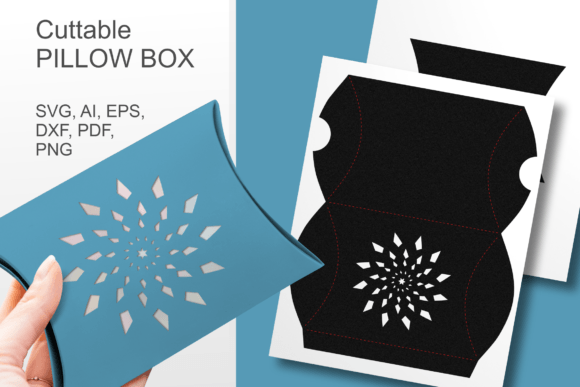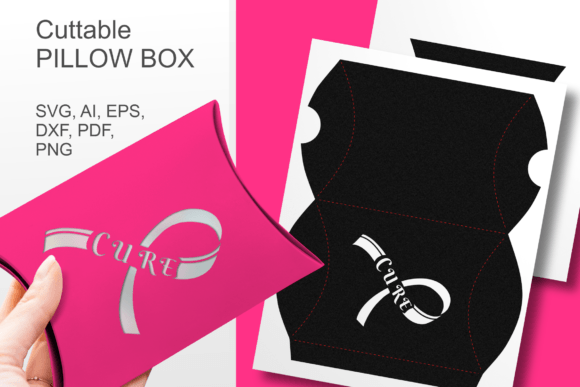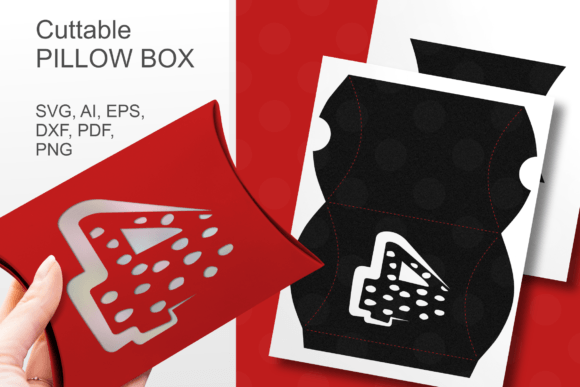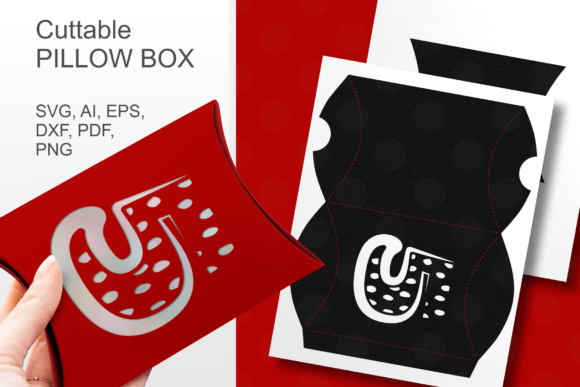
Pillow Box with Transparent Window: 3D SVG for Gift Boxes
As a brand designer who has spent the last decade helping local businesses find their visual voice, I approach every new graphic design asset with a critical eye. It is not enough for a file to look pretty on a screen; it must perform under the harsh lights of a retail shelf or the scrutiny of a social media feed. Recently, I evaluated the Pillow Box with Transparent Window for a potential project involving a boutique artisanal soap maker, and my initial impressions were immediately positive regarding its versatility and structural clarity.
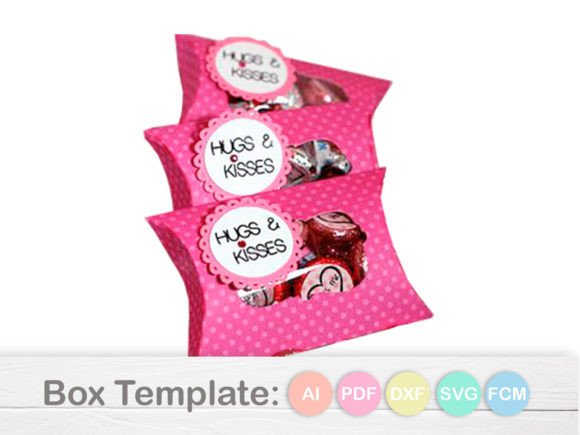
The first thing that strikes you about this design asset is its inherent balance between functionality and elegance. The mood it creates is one of curated discovery. By incorporating a transparent window into the classic pillow shape, the design suggests a brand personality that is confident in its product quality. It says, "Look at what we made," without being overly aggressive. This makes it an excellent fit for handmade business owners who rely on the visual texture of their goods—whether that is the swirl of a candle, the layers of a cookie, or the color of a bath bomb—to do the selling. It feels both modern and slightly nostalgic, bridging the gap between contemporary packaging design and traditional gift-giving aesthetics.
Strategic Applications for Local Business Branding
In the context of small business branding, the utility of this file extends far beyond the physical box itself. When I review a 3D SVG file like this, I am looking at how it integrates into a broader brand identity system. For a local coffee shop launching a line of retail beans, this asset could serve as the foundation for a limited-edition release. The vector nature of the file ensures that whether you are printing a massive trade show banner or a tiny product label, the lines remain crisp and professional.
Consider the various touchpoints where this asset shines. It is perfectly suited for creating high-fidelity product mockups that can be used on your website or in pitch decks to investors. Because the file includes formats compatible with cutting machines (like the FCM for Scan N Cut users) and standard vector editors (AI, SVG, PDF), it allows for seamless transition from digital concept to physical prototype. You can use the silhouette for hang tags, adapt the window shape for sticker designs, or even use the outline as a decorative border on thank-you cards included in shipments. For social media graphics, the distinct shape provides an instant recognizable hook in a crowded feed, improving click-through rates for promotional ads.
Elevating Customer Trust Through Professional Presentation
The primary goal of any commercial design effort is to build trust. A polished package signals to the customer that the business cares about details. Using a well-structured Pillow Box with Transparent Window supports this by offering a stronger first impression. When a customer picks up a package that fits together perfectly and showcases the product clearly, it reduces perceived risk. It improves shelf appeal significantly compared to opaque boxes where the buyer has to guess the contents.
This asset helps establish a clearer visual hierarchy. The window acts as a natural focal point, drawing the eye immediately to the product, while the surrounding flat surfaces provide ample real estate for your logo design and essential information. This separation ensures that your branding does not compete with the product but rather frames it. For local business owners, this distinction is vital. It transforms a simple transaction into an experience, fostering a stronger emotional connection and encouraging repeat purchases. Whether you are a florist arranging a small bouquet or a chocolatier packaging truffles, the professional finish of this box elevates the perceived value of the item inside.
Ideal Use Cases and Design Contexts
Based on my evaluation, this asset works best in scenarios where the product itself is the hero. It is ideal for:
- Product Labels: Using the box outline to create die-cut labels that match the packaging exactly.
- Packaging Accents: Adding belly bands or sleeves that utilize the window feature for a layered look.
- Hero Graphics: Featuring the box in the center of website banners to announce new arrivals.
- Seasonal Packaging: Adapting the design for holidays by changing the paper stock or ribbon colors while keeping the structure consistent.
- Boutique Visuals: Creating cohesive unboxing experiences for luxury skincare or jewelry brands.
The inclusion of multiple file formats, such as DXF and Studio3, alongside the standard AI and PDF, means this digital product is ready for both digital manipulation and physical fabrication. If you are using a cutting machine, importing the FCM file directly into your canvas workspace ensures precision. However, if you prefer working in Illustrator or Inkscape, the SVG and AI files offer full editability for customizing dimensions or adding intricate patterns.
Cautions and Strategic Limitations
While versatile, this asset is not a universal solution for every branding scenario. Caution should be exercised when applying it to formal corporate branding where minimalism and strict grid systems are paramount. The playful curvature of the pillow box might clash with a severe, ultra-modern corporate identity. Furthermore, designers must be careful not to overcrowd the layout. Because the window already provides visual interest, adding too many decorative elements or dense text near the viewing area can create confusion. It is also less suitable for products that require heavy legal disclaimers or ingredient lists on the front face, as the window limits the available continuous surface area for text. For luxury minimalist brands that rely on solid, opaque textures to convey exclusivity, the transparency might feel too exposing.
Practical Notes for the Professional Designer
Before committing this asset to a client project or a large production run, I recommend a rigorous testing phase. First, test it on real product mockups with your specific brand colors. Does the transparency work well with your chosen paper stock? Next, check the design in black and white to ensure the structural lines hold up without color reliance. Preview the asset on small labels to verify legibility. It is also crucial to compare it with competitor packaging; if every local bakery uses a similar pillow box, consider how you can differentiate through typography or material choice.
Inspect the vector editability closely. Ensure that the paths are clean and that there are no stray points that could cause issues during die-cutting. Test the design beside various typography styles—serif for elegance, sans serif for modernity, or script for a handmade feel—to see which complements the box's curves best. Finally, and most importantly, confirm the commercial license terms. Ensure you have the rights to use this clipart or illustration for physical product sales and client work. With the right preparation, the Pillow Box with Transparent Window is a powerful tool in the arsenal of any creative entrepreneur looking to refine their professional branding and delight their customers.