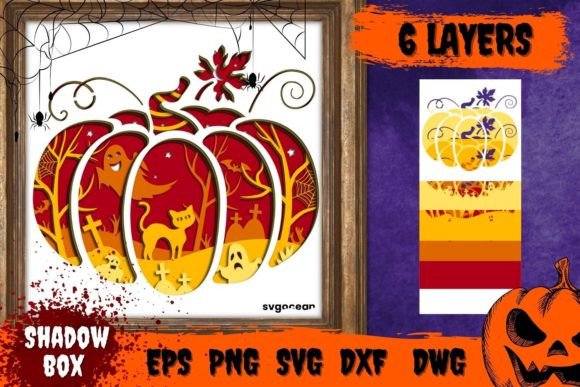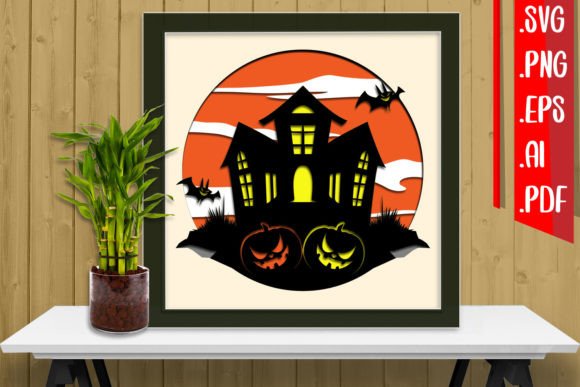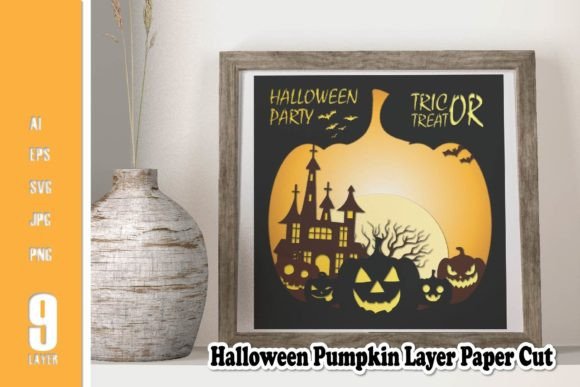
Halloween Pumpkin Layer Paper Cut: 3D SVG for Shadow Boxes
As we approach the peak season for autumnal creativity, my focus shifts entirely to evaluating new graphic design assets that can elevate a digital shop's inventory. Recently, I took a close look at the Halloween Pumpkin Layer Paper Cut, a file set designed specifically for layered depth projects. For anyone running an Etsy product store or managing a print-on-demand catalog, the difference between a generic image and a structured, multi-layered asset is often the difference between a browse and a buy. This review breaks down how this specific asset performs in a real-world commercial setting, moving beyond the hype to assess its actual utility for small business branding and product creation.
Upon opening the files, the first impression is one of intricate craftsmanship. The mood is undeniably festive yet sophisticated, leaning heavily into the "handmade" aesthetic that dominates the fall market. Unlike flat illustrations, this digital product offers a sense of dimensionality that immediately suggests premium quality. It feels rustic but clean, making it versatile enough for both cozy home decor niches and bold seasonal merchandise. The visual personality strikes a balance between playful and elegant, which is crucial when targeting a broad audience ranging from DIY crafters to customers looking for ready-made printable design solutions.
Integrating the Asset into Commercial Product Lines
The true test of any commercial design is its adaptability across different mediums. The Halloween Pumpkin Layer Paper Cut shines when applied to physical goods that benefit from texture and depth. For Cricut project enthusiasts, the layered structure is ideal for creating actual paper Shadow Boxes. These are high-ticket items on marketplaces like Etsy, where buyers are willing to pay more for complex, handmade-looking decor. By utilizing the 3D SVG format, sellers can ensure clean cut lines for cardstock, vinyl, or heat transfer vinyl, minimizing weeding time and maximizing production efficiency.
Beyond paper crafts, this asset translates well into sublimation and direct-to-garment printing. As a sublimation design, the layers can be flattened or manipulated to create a faux-3D effect on mugs, tumblers, and tote bags. Imagine a mug design where the pumpkin layers create a shadow effect against a dark background; this adds perceived value without extra production costs. Similarly, as a t-shirt design, the graphic works beautifully on hoodies and sweatshirts, capturing the essence of the season without looking cluttered. For those selling Canva template bundles, these elements can be imported to create customizable invitation templates, greeting cards, or social media posts for other creatives.
The versatility extends to smaller items as well. A sticker design derived from these layers could serve as a perfect addition to planner kits or scrapbooking supplies. When bundled with complementary elements like autumn leaves or spooky text overlays, it forms the core of a cohesive design bundle. This approach allows sellers to increase their average order value by offering themed collections rather than single files. Whether used for nursery prints, seasonal bundles, or promotional visuals, the asset provides a strong foundation for diverse product lines.
Enhancing Product Presentation and Visual Hierarchy
In the crowded landscape of online selling, presentation is everything. The Halloween Pumpkin Layer Paper Cut is a powerful tool for improving listing images and product mockup appeal. Because the design inherently possesses depth, it photographs exceptionally well. When creating thumbnails for a creative marketplace, using a rendered version of this asset can significantly boost click-through potential. It signals to the buyer that the final product will have texture and interest, distinguishing it from flat, one-dimensional competitors.
Visual storytelling becomes easier with such a dynamic asset. You can use the layers to demonstrate the assembly process in a carousel of images, educating the customer on the value they are receiving. This builds customer trust and reduces hesitation. For brand consistency, incorporating this style across your seasonal collections helps establish a recognizable brand identity. If your shop specializes in high-quality, detailed illustrations, this asset reinforces that reputation. It supports a professional-looking collection that feels curated rather than randomly assembled.
Strategic Placement and Potential Pitfalls
While the asset is robust, it requires strategic placement to maximize its impact. It works best in large product previews where the details of the layers are visible, such as on framed printable wall art or large-format packaging design. It is also highly effective in themed bundles where the complexity of the design justifies a higher price point. However, caution is needed when scaling the design down. For tiny sticker details or icons in a crowded thumbnail, the fine lines of the layers may blur or disappear, reducing legibility.
Sellers must also be mindful of background choices. On dark backgrounds, the contrast needs to be carefully managed to ensure the layers do not blend together. Conversely, on white backgrounds, the shadows between layers must be distinct enough to convey depth. Avoid using this asset in text-heavy templates where the intricate details of the pumpkin might compete with typography, disrupting the visual hierarchy. For projects requiring ultra-clean cutting lines, always verify the node density of the SVG design before sending it to a cutter, as overly complex paths can sometimes cause machine errors.
Practical Notes for the Digital Seller
Before listing any finished products based on the Halloween Pumpkin Layer Paper Cut, rigorous testing is essential. Start by placing the design on real mockups to see how it interacts with different textures and lighting conditions. Preview it as a marketplace thumbnail at actual size to ensure it remains impactful when small. Test print colors on various materials, as some inks may not capture the subtle gradients between layers accurately. Always verify PNG transparency if you are offering raster versions alongside vectors.
File organization is another critical factor. Customers appreciate clearly labeled files that distinguish between the different layers and formats. Pairing this graphic with appropriate typography can further enhance its appeal; consider experimenting with a classic serif font for elegance, a bold sans serif for modernity, or a whimsical handwritten font for a playful touch. Finally, and most importantly, confirm the commercial license terms. Ensure you have the rights to sell finished products, digital downloads, or derivatives created from this asset. By treating this illustration as a core component of your business strategy rather than just a decorative element, you can build a profitable, professional, and visually stunning seasonal collection.