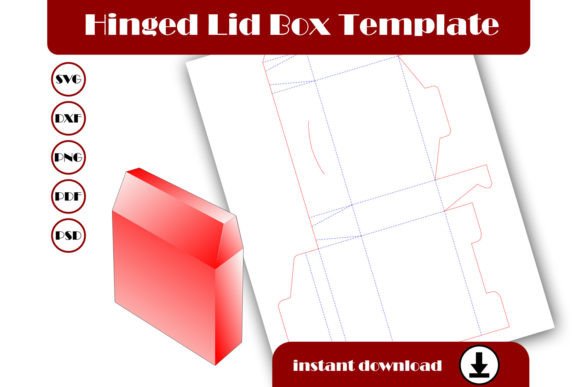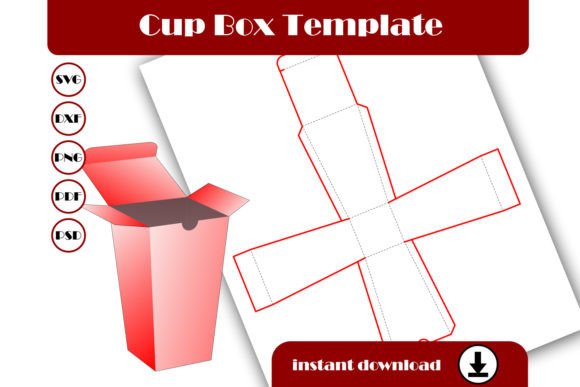
Coffee Cup Box: 3D SVG Shapes for Branding
As a brand designer who has spent the last decade helping local bakeries, coffee roasters, and boutique skincare lines find their visual voice, I approach every new graphic design asset with a critical eye. It is not enough for a file to look good on a screen; it must survive the rigors of physical production, stand out on a crowded shelf, and communicate a brand's personality in a split second. Recently, I evaluated the Cup Box Template, Coffee Cup Box for a potential project involving a new artisanal coffee subscription service. My goal was to determine if this asset could serve as the foundation for a cohesive brand identity that feels both professional and approachable.
My first impression of the Cup Box Template, Coffee Cup Box was one of versatile potential. Unlike many pre-made assets that feel overly specific or dated, this template offers a clean slate. The mood it creates is inherently functional yet inviting, suggesting a brand personality that values clarity and craftsmanship. For a local business like a neighborhood café or a handmade business selling small-batch goods, this blank canvas is ideal. It does not impose a style but rather supports one, allowing the designer to inject feelings of warmth, organic quality, or modern minimalism depending on the color palette and typography chosen. It feels ready to be transformed into something premium without losing the friendly touch that customers expect from independent sellers.
Transforming Blank Templates into Brand Stories
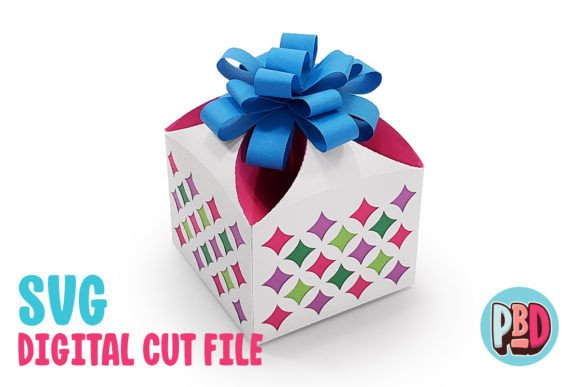
The true value of the Cup Box Template, Coffee Cup Box lies in its adaptability across various touchpoints of small business branding. In my review, I envisioned using this asset not just for the primary packaging, but as a central element in a broader packaging design strategy. For a coffee shop, this template becomes the hero of the unboxing experience. However, its utility extends far beyond the box itself. By extracting the structural lines or using the 3D SVG capabilities, a designer can create matching product labels, hang tags for retail bags, and even die-cut stickers for sealing envelopes.
I also see significant potential for using this asset in social media graphics and marketing visuals. A rendered product mockup based on this template can elevate an Instagram feed, showing customers exactly what they will receive. It works beautifully for creating promotional ads, website banners, and email headers that announce seasonal blends or limited-edition drops. Furthermore, because the file includes a .PSD file for Photoshop and a vector-based format, it integrates seamlessly into editorial design projects like lookbooks or price lists. Whether you are designing a menu graphic or a flyer for a weekend market, the consistent use of this shape reinforces visual hierarchy and helps customers instantly recognize your products.
Elevating Customer Trust Through Professional Presentation
In the world of commercial design, presentation is everything. A well-executed package does more than hold a product; it builds trust. When I consider how the Cup Box Template, Coffee Cup Box supports business presentation, the impact on perceived value is immediate. A custom-branded box suggests that the business cares about details, which translates to better product recognition and a stronger emotional connection with the buyer. For a boutique owner or a food seller, this level of polish differentiates them from competitors who might rely on generic, off-the-shelf solutions.
This asset aids in creating a more consistent brand identity. When the packaging matches the tone of the logo design and the web design, the brand feels established and reliable. Improved shelf appeal is another critical factor; in a retail environment, the unique structure of a custom box can catch the eye faster than a standard rectangle. By utilizing the Shapes inherent in the template, designers can create decorative brand elements that make the packaging feel like a gift rather than just a container. This thoughtful approach leads to stronger customer loyalty and encourages social sharing, as people love to photograph beautiful packaging.
Strategic Applications and Design Constraints
While the Cup Box Template, Coffee Cup Box is highly effective, it is essential to understand where it works best and where caution is required. This asset shines when used for product labels, packaging accents, and seasonal campaign visuals. It is perfect for creating hero graphics for a new product launch or designing thank-you cards that accompany an order. The SVG design format ensures that the lines remain crisp whether printed on a large poster or a small tag.
However, there are scenarios where this template should be used carefully. It may not be suitable for very formal corporate branding where rigid standardization is key, or for luxury minimalist brands that rely on extreme simplicity without structural embellishment. Designers must avoid using it on very small labels where intricate details might get lost during printing. Additionally, one must be cautious not to let the decoration compete with important text, such as ingredient lists or legal information. In crowded product packaging layouts, the box structure should support the content, not overwhelm it. Low-contrast backgrounds can also diminish the impact of the 3D SVG effects, so careful color selection is vital.
Practical Notes for the Working Designer
Before committing to this asset for a client project, I always recommend a series of practical tests. First, test the Cup Box Template, Coffee Cup Box on real packaging mockups to ensure the folds and tabs align correctly with your intended material thickness. Check its usage in black and white to guarantee it remains legible for cost-effective printing options. Preview the design on small labels to confirm that the scale works for secondary branding elements.
It is also crucial to test the template with your specific brand colors and compare it against competitor packaging to ensure distinctiveness. Review the PNG design transparency if you are using rasterized versions for digital ads, and inspect the SVG design or vector editability to ensure you can adjust anchor points if needed. Try pairing the box shape with different typography styles—serif fonts for a classic feel, sans serif for modernity, or script fonts for a handmade touch. Finally, and most importantly, always confirm the commercial license terms. Ensure you have the rights to use these design assets for client work, physical product sales, and broad distribution. With the included .PSD and cutting files, this template offers a robust starting point for any creative entrepreneur looking to elevate their professional branding efforts.