Bicycle Races Lightbox: A Designer's Review for Real Projects
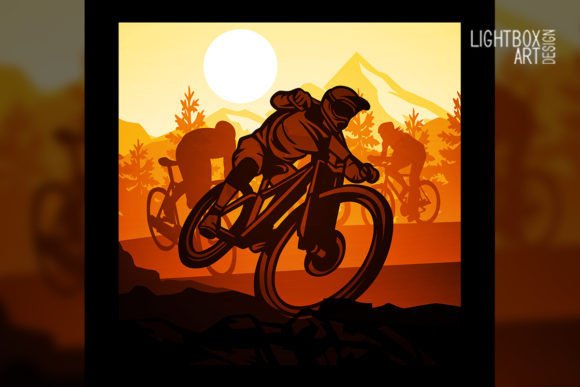
As someone who spends hours staring at screens analyzing machine embroidery design files before committing thread and fabric, my first impression of the Bicycle Races Lightbox was one of immediate clarity. This isn't just a generic clipart conversion; it feels like a purpose-built asset for modern crafting. The design carries a dynamic energy that captures the motion of cycling without becoming visually cluttered. For those of us in the craft business, finding a balance between detailed artistry and stitchability is often the hardest part of the job. This file seems to hit that sweet spot, offering a layout that suggests movement and competition while remaining clean enough for various applications.
The package itself is robust, including a ZIP file with SVG, JPG, PDF, DXF, CDR, and AI formats, along with a tutorial instruction text file. What stands out immediately is the inclusion of 10 layers for printing, each sized at 8×8 inches. While this specific layering structure points heavily toward Shadow Boxes and paper crafting, as an embroidery specialist, I see immense potential here for creating complex 3D SVG inspired effects or multi-layered appliqué projects. The versatility of having vector files like SVG, DXF, and CDR means we can manipulate the scale and separate elements if our software allows, giving us control over how the final embroidery project comes together.
Visualizing the Finished Product in a Real Shop Setting
Let's move beyond the digital preview and imagine a real-world scenario. Picture a small boutique owner preparing for a local charity ride or a summer sports festival. They need a custom apparel item that stands out on a table full of generic merchandise. I envision using the Bicycle Races Lightbox design on a high-quality cotton tote bag or a performance-blend sweatshirt. The mood of the design is energetic yet approachable, making it perfect for a personalized gift for a cycling enthusiast or a team uniform accent.
When I look at the lines and shapes, I can already anticipate how the satin stitch would define the outer contours of the bicycles and riders, providing that crisp, professional edge customers expect. The interior areas would likely benefit from a well-balanced fill stitch to add weight and texture without making the garment stiff. If adapted for an embroidered patch, this design would offer excellent visual pop against a twill background. The 8×8 inch dimension provided in the template gives us a generous working area, allowing for significant detail that translates well to larger items like pillow covers or wall hangings for a nursery or game room.
Performance Across Different Fabrics and Hoops
One of the critical aspects of reviewing any digital embroidery file is understanding its limitations on different materials. The Bicycle Races Lightbox appears to have a layout that could challenge inexperienced users if not handled correctly. For instance, placing this on a stretchy jersey knit for a baby onesie requires careful attention. Without the right stabilizer, the density of the stitches—especially if you are filling in large color blocks—could cause the fabric to pucker or distort over time.
I would advise testing this design on scrap fabric first, particularly if you are working with textured fabrics like linen towels or thick fleece hoodies. On dark fabrics, the contrast of the thread colors becomes paramount. You might need to adjust the underlay settings in your digitizing software if you are converting the SVG yourself, ensuring that the bright colors of the race theme pop against a navy or black background. Conversely, on light-colored custom apparel, the design offers a clean, graphic look that feels very contemporary.
Curved surfaces, such as caps, present another consideration. While the 8×8 inch size is great for flat items, fitting this onto a standard cap hoop might require scaling down. If you reduce the size too much, tiny details like wheel spokes or facial features on the riders could merge into a solid mass of thread. It is crucial to inspect small details at your intended stitch size. A good rule of thumb is to print a paper mockup at the exact size you intend to stitch and hold it against the garment. This simple step saves wasted thread and prevents disappointing finished product results.
Enhancing Brand Value and Customer Trust
For Etsy sellers and handmade shop owners, the visual appeal of your listing photos can make or break a sale. The Bicycle Races Lightbox offers a strong graphical element that photographs well. Whether you are creating a printable mockup for a digital listing or stitching a sample for a craft fair display, the professional quality of the source files matters. Using a design that looks polished and intentional builds customer trust. It signals that you care about the quality of your handmade product.
This design also supports brand consistency. If your shop specializes in active lifestyle goods or outdoor-themed decor, incorporating a cohesive set of items featuring this motif—from tea towels to tote bags—creates a recognizable collection. The "racing" theme taps into a specific niche market, appealing to competitive cyclists, weekend warriors, and families who enjoy outdoor activities together. By offering this as a holiday embroidery option for Father's Day or a birthday gift, you add emotional value to the transaction, transforming a simple piece of cloth into a cherished memory.
Practical Notes for the Professional Embroiderer
Before launching into production, there are several technical checks every designer should perform with a file like this. First, verify the license terms. While the package includes files suitable for printing and crafting, always confirm whether the creator permits commercial use for commercial embroidery projects where you sell the physical stitched item. Some licenses allow personal use only, while others permit unlimited sales of finished goods.
- Test Stitch Density: Even with vector files, if you are digitizing this for embroidery, ensure the stitch count isn't too high for delicate fabrics. High density can lead to needle deflection and thread breaks.
- Check Thread Contrast: Plan your color palette carefully. The racing theme suggests vibrant colors, but ensure adjacent colors have enough contrast so the design doesn't look muddy from a distance.
- Hoop Size Confirmation: Ensure your machine's hoop can accommodate the 8×8 inch area if you plan to stitch it at full size. You may need a larger hoop or a multi-position stitching strategy.
- Mockup Testing: Create black and white mockups to check the readability of the design. If it loses definition in grayscale, it might be too complex for small-scale embroidery.
- Fabric Compatibility: Remember that what works on a sturdy canvas tote might fail on a thin silk scarf. Always match the stabilizer type (cut-away vs. tear-away) to the fabric weight and the garment's intended lifespan.
In conclusion, the Bicycle Races Lightbox is a versatile asset that bridges the gap between digital layering projects and tangible textile art. Its strength lies in its energetic composition and the flexibility offered by the multiple file formats. Whether you are an apparel decorator looking to expand your sports catalog or a hobbyist making a special gift, this design provides a solid foundation. However, its success ultimately depends on your execution. By respecting the nuances of fabric texture, stitch density, and proper stabilization, you can transform these digital layers into a stunning, durable, and highly marketable small shop product. The key is to approach it not just as a file to be opened, but as a component of a larger creative vision that values quality and durability.